Children's Vision
When Should Your Child's First Eye Exam Be?
Many children with vision problems go undiagnosed for years — affecting reading, confidence, and development. Here's the exam schedule every parent needs to know.
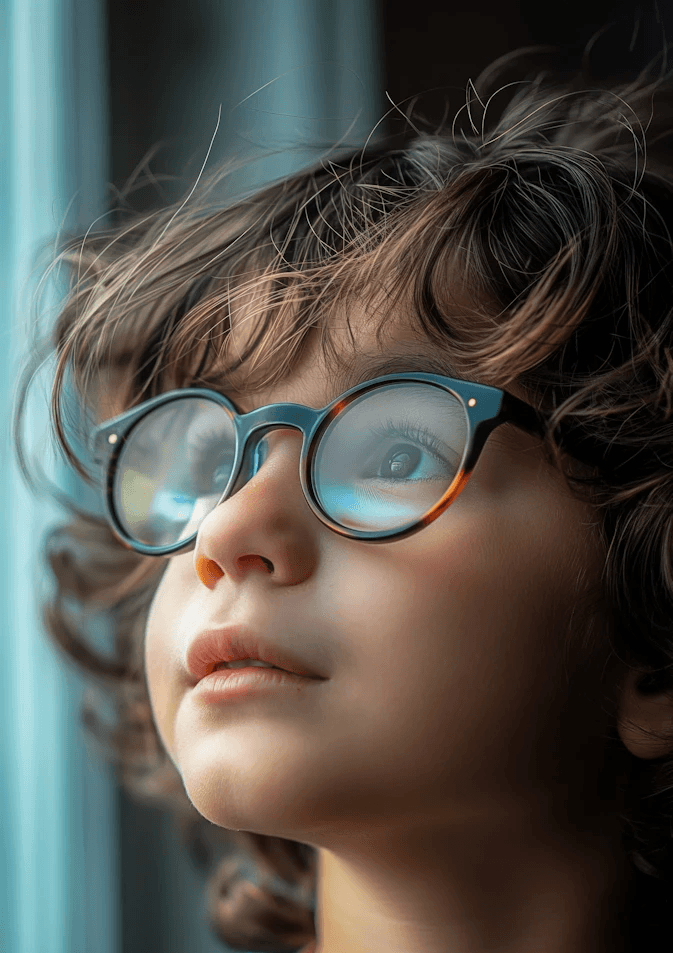
Children don't know what normal vision looks like. If your child has always seen the world as slightly blurry, slightly doubled, or slightly off — they have no way to tell you. They've never seen it any other way.
This is why pediatric vision problems are so frequently missed. And it's why the consequences — delayed reading development, poor academic performance, and in some cases, permanent vision impairment — can be so significant.
As a pediatric ophthalmologist, the question I'm asked most often by parents is: when should I bring my child in? Here's the honest answer.
The Recommended Timeline
Age 6–12 months: A pediatrician or family doctor should perform a basic visual assessment at well-baby visits, checking for eye alignment and basic tracking ability. If anything seems irregular — eyes that cross, turn outward, or don't track together — request a referral to a pediatric ophthalmologist immediately. These issues are far easier to correct before 12 months than after.
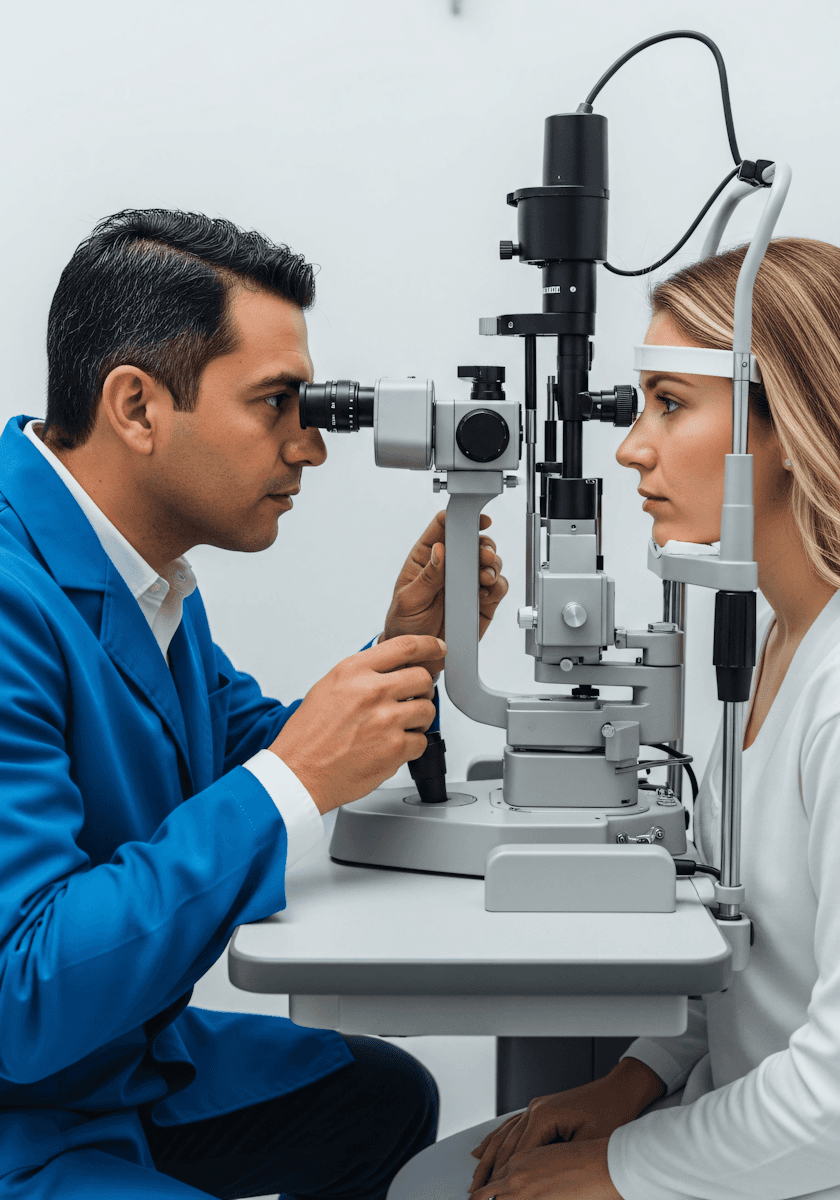
Age 3: This is the first milestone for a comprehensive eye exam with a specialist. At three, children are verbal enough to respond to basic vision tests, and many conditions — including amblyopia (lazy eye), strabismus (eye misalignment), and significant refractive errors — can be detected and treated with excellent outcomes at this age. Waiting until school age means losing two to three years of the most effective treatment window.
Age 5–6, before starting school: Vision is the primary channel through which children learn. A child struggling to see the board, read text, or focus on close work will fall behind — often before anyone makes the connection to their eyes. A pre-school exam should be a standard part of the back-to-school checklist, no less important than a dental checkup.
Every 1–2 years throughout school age: Once in school, annual or biennial exams are recommended — more frequently if your child has been diagnosed with any refractive error, is on glasses, or has a family history of eye conditions.
Signs Your Child May Have a Vision Problem
Children rarely complain about their vision directly. Watch instead for behavioral signals:
Sitting very close to the television or holding books unusually close to their face
Frequent eye rubbing, particularly when concentrating
Squinting to see things in the distance
Covering or closing one eye when reading or watching screens
Complaints of headaches after school, particularly at the front of the head
Difficulty with reading, writing, or copying from a board — before a learning disability is assumed
Clumsiness or poor hand-eye coordination that seems inconsistent with their age
Any one of these warrants an eye exam. Several together make it urgent.
What Is Amblyopia — and Why Does Age Matter So Much?
Amblyopia, commonly called lazy eye, occurs when the brain begins to suppress the signal from one eye because it's weaker than the other. If left untreated, the brain eventually stops processing the weaker eye's image almost entirely — and that suppression becomes permanent.
The treatment — typically patching the stronger eye to force the brain to use the weaker one — is most effective before age 7, when the visual system is still developing and the brain remains highly adaptable. After age 10, outcomes decline significantly. After puberty, treatment options become very limited.
This is why we say: the earlier, the better. Not as a caution, but as a clinical fact.
A Note on School Vision Screenings
School-based vision screenings are valuable — but they are not comprehensive eye exams. They typically test distance vision only, and will not detect conditions like amblyopia, convergence insufficiency, or significant farsightedness in young children whose eyes can compensate well enough to pass a distance chart.
A clear result on a school screening does not mean your child's vision is fine. It means they passed a limited test.
Bring Your Child to Visara
Our pediatric team is experienced in caring for children of all ages, from infants to teenagers. We use child-friendly testing techniques that don't require your child to read letters or sit still for long periods. Many parents tell us their children actually enjoyed the visit.
Written By
Dr. Sarah Okafor, MD
Pediatric Ophthalmologist & Strabismus Specialist
5 min read
July 27, 2025
Concerned About Your Eyes?
Same-week appointments available. A comprehensive eye exam takes 45–90 minutes and includes a full assessment.